


When bankruptcy is on the table, a car is one of your assets that needs especially close attention. It isn’t treated like student loan debt in bankruptcy, nor is it treated like credit card debt or medical bills.
A vehicle usually has a lien attached, a market value, and state rules that determine how much of that value can be protected. Those factors, together, help decide whether the car stays, gets refinanced, or is turned over.
What happens next comes down to specifics: the chapter of bankruptcy filed, whether there’s still a loan, how much equity exists, and how exemptions apply where the case is filed. The legal framework is important, but the outcome is driven by concrete numbers and timing.
Why Vehicles Are Treated Differently in Bankruptcy

A car is usually secured property. That means a lender holds a lien on the vehicle until the loan is paid in full. Bankruptcy can eliminate personal liability for many debts, but it does not automatically erase liens. The court focuses on two things at the same time: the value of the vehicle and the legal interest attached to it.
Another factor is exemptions. Every state allows filers to protect a certain amount of vehicle value from creditors. If the equity falls within the exemption limit, the vehicle is often protected. If it exceeds that limit, the excess value becomes relevant to the trustee.
Chapter 7 Bankruptcy and Your Car
Chapter 7 is a liquidation bankruptcy. Its purpose is to discharge unsecured debt, not to reorganize payment plans.
If the car has a loan, three paths typically exist:
- Reaffirmation keeps the loan in place. Payments continue, the lien remains, and the vehicle stays with the owner as long as payments stay current.
- Redemption allows the car to be purchased outright for its current fair market value, even if the loan balance is higher. This usually requires a lump sum payment, often through a specialized lender.
- Surrender returns the vehicle to the lender. The remaining loan balance is discharged, meaning no further personal liability for the debt.
If the car is paid off, the focus shifts to equity. If the vehicle’s value falls within the allowed exemption, it is usually retained. If it exceeds the exemption, the trustee may sell the car, return the exempt amount, and use the remaining funds to pay creditors.
Chapter 13 Bankruptcy and Your Car
Chapter 13 is a repayment plan, typically lasting 3 to 5 years. This option is often chosen specifically to keep assets like vehicles.
Car loans are handled inside the repayment plan. Payments may be restructured, and in some cases, interest rates can be reduced. For vehicles purchased more than a certain number of days before filing, the loan may be “crammed down” to the car’s current value rather than the full loan balance, depending on eligibility.
Missed payments can often be caught up over time instead of triggering repossession. As long as plan payments remain current, the vehicle is generally protected.
Paid-off cars are rarely at risk in Chapter 13 unless the equity is far above exemption limits and the plan does not account for it.
What If the Car Is Paid Off?
A paid-off vehicle has no lien, which simplifies part of the analysis but raises another issue: equity.
The trustee evaluates the fair market value of the car and compares it to the vehicle exemption. If the value is fully covered, the car is protected. If not, the non-exempt portion may need to be paid into a Chapter 13 plan or could be subject to liquidation in Chapter 7.
This is one of the most state-specific areas of bankruptcy law.
What If the Car Has a Cosigner?
A cosigner changes the dynamics significantly.
In Chapter 7, the discharge applies only to the filer. The cosigner remains fully responsible for the loan. If payments stop, the lender can pursue the cosigner immediately.
In Chapter 13, the automatic stay often extends limited protection to cosigners while the plan is active, as long as payments are made through the plan.
Cosigner exposure is one of the most common reasons filers choose Chapter 13 over Chapter 7 when a vehicle is involved.
Bankruptcy & Shared Vehicles

Ownership – Not Relationships – Are Important When Vehicles Are Shared
Vehicles get more complicated when more than one person is involved. Ownership, not household relationships, controls how a car is treated in bankruptcy. Titles, loans, and state property rules matter far more than who drives the car day to day.
Spouses and Jointly Owned Cars
If both spouses are listed on the title or loan, the vehicle is considered jointly owned. In a joint bankruptcy filing, the car is evaluated once, using combined exemptions where allowed. In a single-spouse filing, only that spouse’s ownership interest becomes part of the bankruptcy estate.
In community property states, vehicles acquired during marriage are often treated as jointly owned even if only one name appears on the title. In non–community property states, the title usually controls.
If only one spouse files bankruptcy and the car is jointly owned, the non-filing spouse’s share is not taken. However, the filing spouse’s equity portion still matters for exemption purposes.
When One Spouse Owns the Car, But the Other Drives It
Use does not override ownership. A vehicle titled to one spouse remains that spouse’s asset, even if the other spouse uses it for work, errands, or commuting. The court focuses on legal ownership, loan responsibility, and equity.
If the non-filing spouse relies on the car for income, that reliance can be relevant when arguing necessity, but it does not change ownership or lien rights.
Cars Owned by Children or Used by Children
A car titled in a child’s name is not part of a parent’s bankruptcy, even if the parent pays the insurance or loan. It’s important whose name appears on the title.
If a parent cosigned a child’s auto loan, the cosigner obligation is included in the bankruptcy. The vehicle itself remains the child’s, but the lender can still pursue the child for payment if the loan goes unpaid.
If the car is titled in the parent’s name but primarily used by a child, it is still treated as the parent’s asset.
Roommates & Shared Vehicles
Roommates do not create shared ownership by default. A vehicle titled to one roommate belongs to that person alone, even if both contribute to payments or use it regularly.
If both names are on the title, each owner’s share is evaluated separately. If only one roommate files for bankruptcy, only that person’s interest is included.
Informal agreements about payment or use generally carry no weight unless they are reflected in the title or loan documents.
Cars Paid For by One Person but Titled to Another
Bankruptcy courts follow the paper trail. Paying for a car does not create ownership if the title is in someone else’s name. This setup can raise questions if it appears designed to shield assets, especially if the transfer happened shortly before filing.
Timing is important. Transfers made before bankruptcy can be reviewed, reversed, or challenged if they fall within the lookback period.
Why Shared Vehicle Situations Get Scrutinized
Shared-use vehicles often involve overlapping finances, informal arrangements, and assumptions that don’t hold up legally. Trustees focus on title, loan responsibility, and timing to determine what belongs in the estate and what does not.
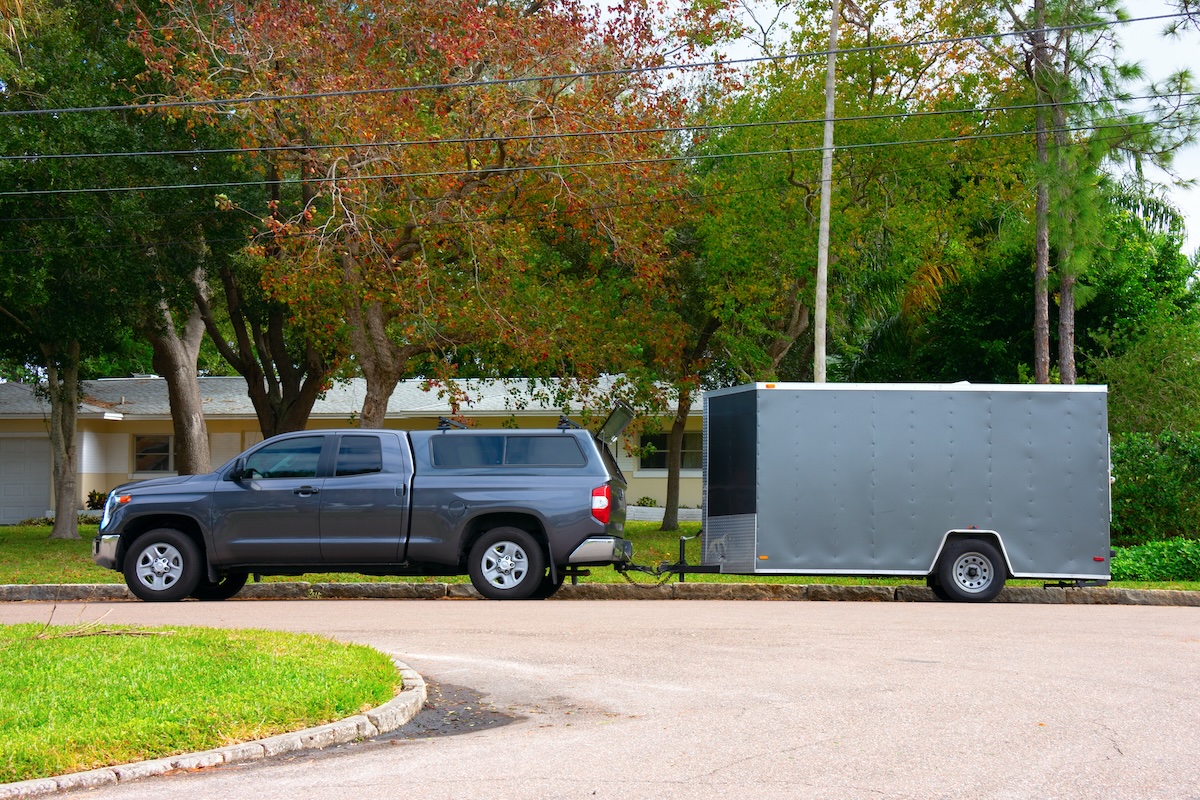
What If the Car, Truck, or Van Is a Work Vehicle?
Use Does Not Override Ownership
Use does not override ownership. A vehicle titled to one spouse remains that spouse’s asset, even if the other spouse uses it for work, errands, or commuting. The court focuses on legal ownership, loan responsibility, and equity.
There are a few common scenarios:
- If the car is a personal vehicle used to commute to a job, it’s usually treated like any other car. Commuting alone doesn’t change how exemptions apply. The same rules about loans, equity, and value still control the outcome.
- If the vehicle is used directly for work — for example, rideshare driving, delivery, mobile service work, real estate, sales, or contracting — that use can strengthen the argument for keeping it. In some states, a “tools of the trade” exemption can apply to a vehicle if it’s essential to producing income. This exemption is often limited in dollar amount, but it can stack with a standard vehicle exemption in certain cases.
- If the vehicle is owned by a business, the analysis depends on structure. A sole proprietorship does not create a separate legal entity, so the vehicle is usually still considered personal property and included in the bankruptcy estate. An LLC or corporation may own the vehicle separately, which can change how it’s treated, especially in a personal bankruptcy.
- If the car is leased for work, it’s handled as a lease, not an owned asset. The lease can be assumed and continued if payments stay current, or see terminated if the lease is rejected. Work use alone doesn’t force one outcome or the other.
- If the vehicle is heavily modified or specialized for work — such as a service van with installed equipment — the value assessment can become more nuanced. Installed tools and equipment may be treated separately from the vehicle itself, depending on how they’re classified and titled.
Work vehicles are one of the areas where planning matters most. Exemptions, business structure, and documentation of income use can all affect whether a vehicle is protected, especially in Chapter 7 cases.
Work Vehicles & Bankruptcy: Common Questions
Q: Does filing bankruptcy make you give up your work truck/van?
A: Not automatically. A work truck or other vehicle used to earn income can often be protected, but it still has to fit within exemption limits. The court looks at necessity and value, not job title or job description.
Q: Does commuting to work count as a work vehicle?
A: No. A car used only to get to and from work is treated the same as any other personal vehicle. Commuting alone doesn’t trigger special protection.
Q: What if I use my car for rideshare, delivery, or mobile work?
A: If the vehicle is directly tied to producing income, some states may allow part of its value to be protected under a “tools of the trade” exemption. The dollar limit varies, and it doesn’t always cover the full value.
Q: What if I’m self-employed or a contractor?
A: A sole proprietor usually owns the vehicle personally, so it’s included in the bankruptcy estate. The benefit is that tools-of-the-trade exemptions may apply. An LLC or corporation can change the analysis if the business actually owns the vehicle.
Q: What happens if the work vehicle has a loan?
A: The loan is still a secured debt. Keeping the vehicle means staying current through reaffirmation in Chapter 7 or paying through a Chapter 13 plan. Work use doesn’t erase the lien.
Q: What about a leased work vehicle?
A: Leased vehicles are contracts, not assets. The lease can be continued if payments stay current or rejected and ended. Bankruptcy doesn’t convert a lease into ownership.
Q: Does having tools or equipment in the vehicle change anything?
A: Sometimes. Permanently installed equipment may be valued separately from the vehicle itself. Portable tools are often treated as personal property and may qualify under tools-of-the-trade exemptions.
Leased Vehicles & Bankruptcy
A car lease is not ownership; it is a contract.
- In Chapter 7, leases are typically either assumed or rejected. Assumption requires staying current and continuing the lease. Rejection allows the lease to be terminated, and unpaid lease obligations may be discharged.
- In Chapter 13, lease payments can sometimes be included in the repayment plan, depending on court approval and lease terms.
Lease treatment varies widely by jurisdiction and lender policy.
What Happens to Repossessed Cars?
If the car has already been repossessed but not sold, bankruptcy may stop the sale and potentially allow recovery of the vehicle, especially under Chapter 13.
If the car has already been sold, bankruptcy can still discharge any remaining balance owed, but it will not reverse the sale.
Vehicle Exemptions
Vehicle exemptions set the ceiling for protection. Some states like Florida offer vehicle exemptions, while others are more restrictive. Some states allow unused portions of a homestead exemption to be applied to a vehicle.
Married filers may be able to double exemptions in certain cases, depending on state law and ownership structure. This is one of the most technical but most important factors in determining whether a car is safe.
How Bankruptcy Can Temporarily Stop Repossession
The automatic stay goes into effect immediately upon filing. It halts repossessions, collection calls, and legal action.
The stay is temporary protection, not permanent immunity. If payments are not addressed through reaffirmation, redemption, or a repayment plan, lenders can seek court permission to proceed later.
Common Mistakes That Can Put Cars at Risk
Failing to list the vehicle correctly on bankruptcy schedules
Misunderstanding the car’s actual market value
Assuming paid-off automatically means protected
Reaffirming a loan without evaluating affordability
Ignoring cosigner consequences
These errors can usually be avoided with proper planning. A proper analysis considers loan balance, interest rate, vehicle condition, exemption limits, household income, and future transportation needs. The goal is not just to keep a car, but to keep a payment that remains sustainable after bankruptcy.
Final Thoughts

Bankruptcy does not automatically mean losing a car. In many cases, it is specifically used to protect one. The outcome depends on structure, timing, and state law rather than a single yes-or-no rule.
A car with manageable payments, reasonable equity, and proper exemption coverage is often preserved. A car with high equity, unaffordable payments, or unresolved lien issues requires more careful planning.
The information contained in this article is provided for general educational purposes only and does not constitute legal advice or create an attorney–client relationship. Bankruptcy and student-loan discharge laws vary by jurisdiction and may change over time. You should not rely on this material as a substitute for personalized legal counsel. Every case depends on its own facts, financial records, and applicable court rulings.
If you are considering filing for bankruptcy or pursuing a student-loan discharge, consult a licensed attorney experienced in federal bankruptcy practice in your state. The Independence Law Firm expressly disclaims all liability with respect to actions taken or not taken based on any content within this publication.